How Design Arena is Redefining AI Models with Human Feedback
Design Arena, co-founded by Grace Li, has raised $7.9 million to enhance AI model evaluations through human feedback, addressing the industry's need for quality in design and functionality.
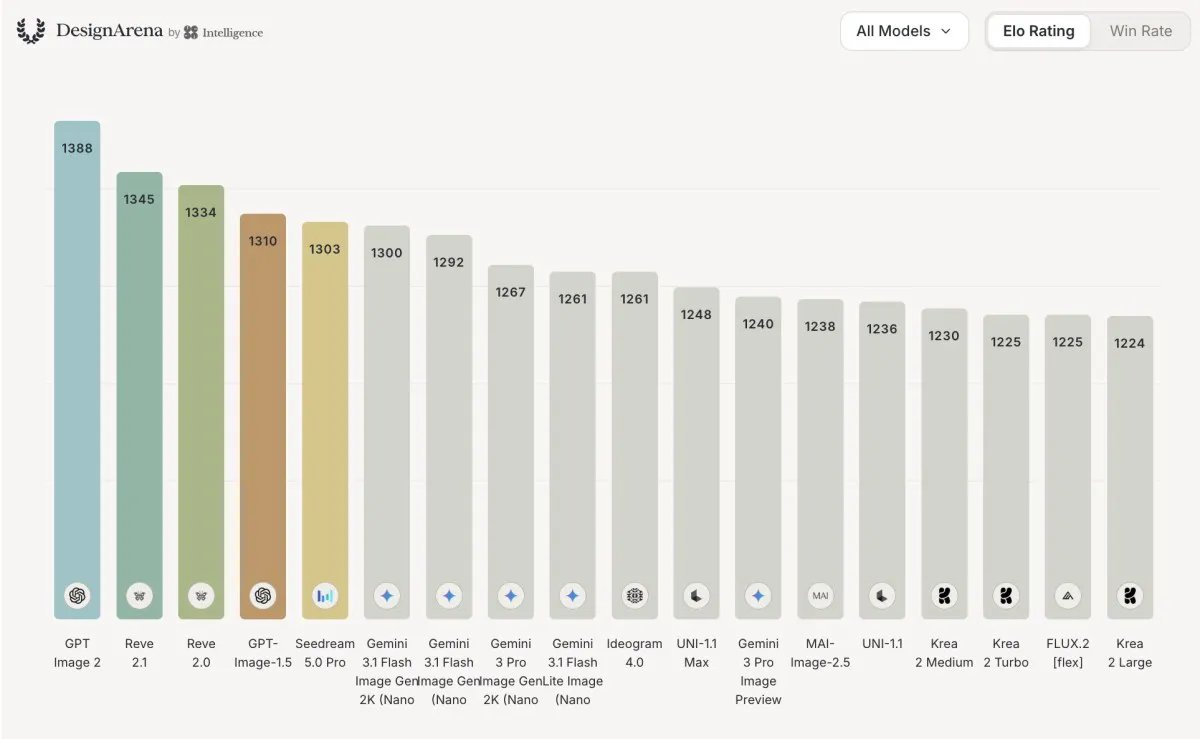
In a world increasingly dominated by artificial intelligence, the importance of human input in the development of AI models has never been clearer. Enter Design Arena, a pioneering platform co-founded by Grace Li, which has recently secured a significant $7.9 million in seed funding to enhance the quality of AI-generated outputs through scalable human feedback. With a user base of over 5.3 million globally, Design Arena is not just another tool in the tech ecosystem; it's reshaping how AI models are evaluated and refined, ensuring they meet user expectations and tastes.
Launched just before Grace and her co-founders graduated in 2025, the company started as a simple solution to a complex problem. Initially focused on creating a game engine, they quickly realized that while their AI could generate functional games, it struggled to make them enjoyable. This led to a pivotal question: how can we reliably assess what makes a game fun? The answer was clear — human judgment is irreplaceable. With this realization, they began brainstorming ways to gather honest feedback from users at scale, ultimately leading to the birth of Design Arena.

The Genesis of Design Arena: Bridging AI and Human Insight
Design Arena's journey is a testament to the power of collaboration and innovation. The platform provides users with a sophisticated interface that resembles a ChatGPT-style prompt window, equipped with dropdown menus for various media formats, including websites and images. Users can submit requests, specify formats and styles, and engage in a ranking process where they choose between different outputs. This iterative approach not only enhances user experience but also yields invaluable data for refining AI models.
What sets Design Arena apart from its competitors is its dual focus on both individual users and enterprise clients. While non-enterprise users enjoy a streamlined experience, the enterprise side of the platform is where the true value lies. Companies can leverage Design Arena as a continuous feedback loop for their media-generating AI models, allowing them to adapt and evolve based on real user preferences.
The Market Demand for Scalable Feedback
The demand for effective user feedback mechanisms has become a critical bottleneck for many AI companies. Grace Li notes, “It was the missing bottleneck for a lot of these models to make improvements in the design space.” This sentiment underscores a broader trend within the AI landscape. As more organizations venture into AI-driven solutions, the need for reliable human feedback has grown exponentially.
- **User Engagement**: Design Arena is currently generating **$60 million in Annual Recurring Revenue (ARR)**, indicating strong market traction.
- **Global Reach**: The platform's ability to track user preferences across continents allows it to tailor its offerings effectively.
- **Industry Relevance**: With a growing number of companies seeking user-centered approaches, Design Arena's services fill a significant gap in the market.
Understanding the Competitive Landscape
While Design Arena's rise is impressive, it is essential to acknowledge the competitive landscape in which it operates. The AI evaluation space has seen various startups attempting to harness human feedback, with mixed results. For instance, Yupp, another startup in this arena, raised **$33 million** but failed to achieve sustainability and closed its doors earlier this year, despite having over **1.3 million users**.
In contrast, other startups focusing on human evaluations are finding success. For example, LM Arena, utilizing a similar model for text-based evaluations, raised **$150 million** in a Series A funding round just months after launching its paid product. Such examples highlight the varying trajectories within this niche and illustrate that while the demand for human-centric evaluation tools is rising, not all ventures will succeed.

The Future of AI Evaluation: A Human-Centric Approach
The approach taken by Design Arena presents a pivotal shift in how AI models are developed and refined. With users required to log in to access outputs, the platform can effectively track changes in user preferences over time and across different regions. For example, Li points out that web dashboards in Asia tend to favor a more maximalist design style, reflecting cultural differences in user engagement.
This ability to collect and analyze data on user tastes offers a vital complement to automated benchmarks. While automated systems can operate at scale, they are often susceptible to manipulation, as highlighted by recent breaches in the AI community. The human feedback that Design Arena provides is not only more reliable but also essential for creating outputs that resonate with users.
Key Takeaways
- Design Arena has raised **$7.9 million** to improve AI model evaluations through human feedback.
- The platform is used by over **5.3 million people**, indicating strong market demand.
- Design Arena generates **$60 million in ARR**, solidifying its role in the AI industry.
- The platform provides critical insights into user preferences that can inform AI development.
- Human feedback offers a necessary counterbalance to automated evaluation methods, enhancing reliability.

Frequently Asked Questions
What is Design Arena and how does it work?
Design Arena is a platform that helps AI models improve their outputs by gathering scalable human feedback. Users can submit prompts and rank various outputs, allowing companies to gain insights into user preferences and tastes, which can be used to refine AI-generated content.
Why is human feedback important for AI models?
Human feedback is crucial for AI models because it provides qualitative insights that automated systems cannot replicate. While automated benchmarks can assess performance at scale, they are often vulnerable to manipulation. Human input ensures that models are aligned with actual user desires, leading to more relevant and engaging outputs.
What are the future prospects for Design Arena and similar platforms?
The future looks promising for Design Arena, particularly given the increasing demand for user-centered AI solutions. As more companies recognize the importance of human feedback in AI development, platforms like Design Arena are likely to thrive, provided they can maintain user engagement and adapt to evolving market needs.
How does Design Arena compare to its competitors?
Design Arena distinguishes itself through its dual focus on individual users and enterprise clients, offering a unique feedback loop for AI models. While some competitors have struggled to achieve sustainability, Design Arena's strong user base and revenue suggest a solid position within the market, highlighting its effectiveness in addressing the need for quality human feedback in AI evaluation.
Comments
ChatGPT Emerges as Congress' Preferred AI Tool
A recent report reveals that OpenAI's ChatGPT dominates AI spending in Congress, accounting for 90% of expenditures. As congressional offices increasingly leverage AI for various tasks, the implications for policy and technology use are significant.

Related articles


Popular in AI Tools
- OpenAI's GPT-Live: Transforming Voice Interaction with AI
- SpaceX's Grok 4.5: Disruption in AI Coding at Unmatched Prices
- Gaming Data: The Future of Training AI for General Intelligence
- OpenAI's GPT-5.6: A New Era for Microsoft Copilot and Beyond
- The AI Deployment Dilemma: Balancing Autonomy and Governance