The Future of Personal AI Agents: Insights from Mark Zuckerberg
Mark Zuckerberg envisions a future where billions will use personal AI agents by 2031, reshaping how we manage our lives. This article explores the implications, challenges, and opportunities of this prediction.

In a bold assertion during Meta's recent quarterly earnings call, CEO Mark Zuckerberg projected that within the next five years, billions of individuals will have their own personal AI agents. This prediction underscores a transformative vision for how technology could reshape personal and professional lives. As businesses and consumers alike grapple with the implications of such advanced AI systems, it's essential to consider the potential benefits, challenges, and the broader context within which this evolution is taking place.
Zuckerberg's remarks reflect a growing trend in the tech industry towards AI that transcends traditional search and assistance capabilities. Instead of merely answering questions or executing commands, these personal AI agents would actively work on behalf of users, understanding their goals and managing various domains of their lives, including finance, health, and household management.
The Rise of Intelligent Personal Assistants
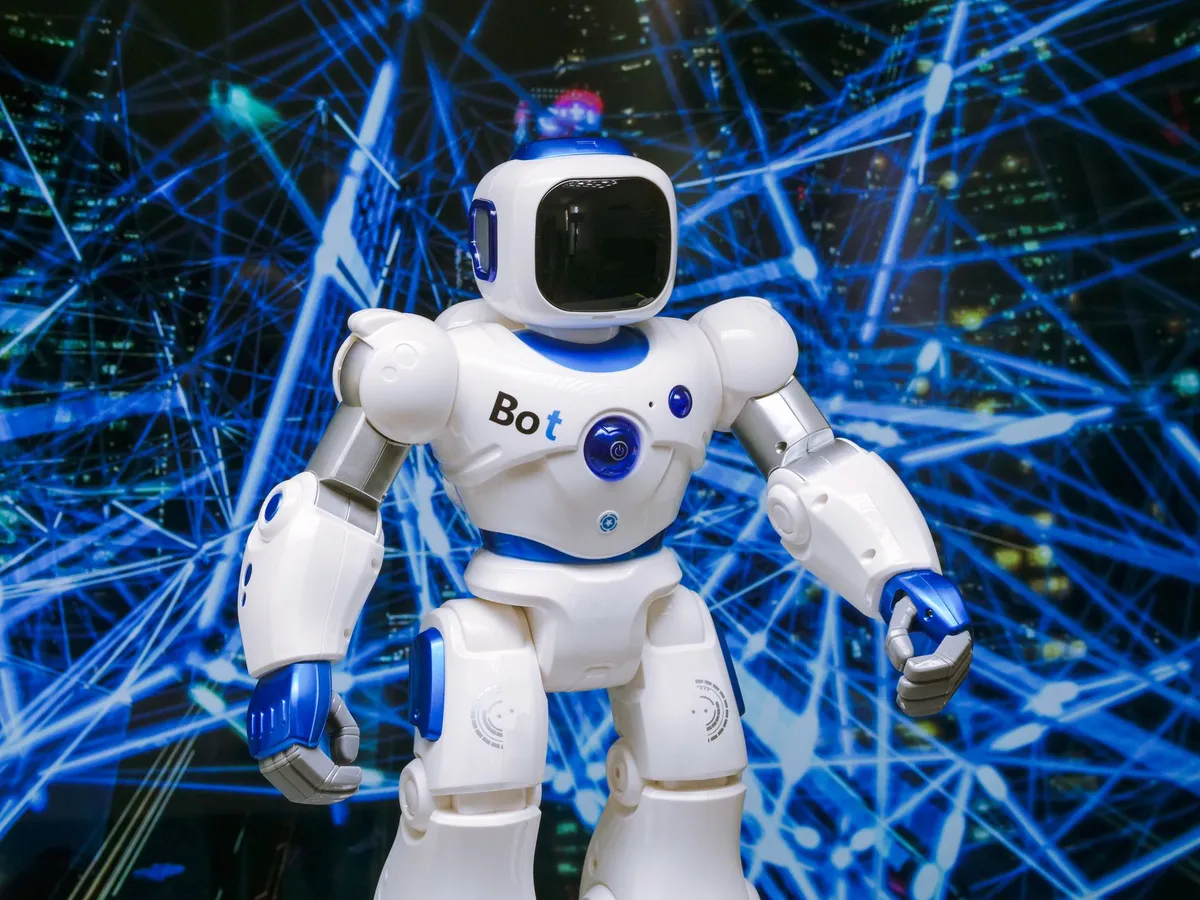
Personal AI agents represent an evolution in the landscape of artificial intelligence. Unlike current virtual assistants like Siri or Google Assistant that respond to user queries, these agents are designed to proactively engage with users, making decisions and performing tasks autonomously. This shift towards agentic AI reflects broader advancements in machine learning, natural language processing, and data analytics.
Understanding the Technology Behind AI Agents
At the core of these personal AI agents are sophisticated algorithms that leverage vast amounts of data to learn individual preferences and behaviors. These systems utilize techniques such as:
- Machine Learning: Enabling the AI to improve its performance over time based on user interactions.
- Natural Language Processing (NLP): Allowing the AI to understand and communicate in human language effectively.
- Predictive Analytics: Using historical data to anticipate user needs and preferences.
For example, a personal AI agent may analyze your spending habits to provide tailored financial advice or suggest health activities based on your fitness goals. By integrating seamlessly into platforms like WhatsApp, as Zuckerberg noted, these agents could become ubiquitous in daily interactions, making them an integral part of how people communicate and manage their lives.

Market Implications and Challenges
While Zuckerberg's enthusiasm for personal AI agents is palpable, it’s essential to recognize the challenges that lie ahead. The trajectory of AI development is fraught with technical, ethical, and regulatory hurdles that could impede widespread adoption.
Technical and Infrastructure Challenges
One significant concern is the infrastructure necessary to support billions of AI agents. Meta's recent partnership with BlackRock to establish a $14 billion data center in El Paso, Texas, highlights the escalating demand for data processing capabilities. As these AI agents require substantial computational resources, companies must invest heavily in building efficient and scalable data centers.
Ethical Considerations
Moreover, the ethical implications of deploying personal AI agents cannot be overlooked. Issues such as data privacy, user consent, and algorithmic bias are paramount. As these agents learn from user data, ensuring that they operate transparently and fairly will be critical to gaining public trust.
The conversation around ethical AI is gaining traction, with various stakeholders, including governments and organizations, advocating for regulations that safeguard user privacy and ensure accountability in AI systems. Investors and companies must navigate this complex landscape as they develop and deploy personal AI agents.

Competitive Landscape: Meta vs. the Tech Giants
Meta is not operating in a vacuum; the competitive landscape for AI agents is rapidly evolving. Major players like Google and Microsoft are also investing heavily in AI technologies to enhance their offerings. Google, for instance, has emphasized custom AI agents in its recent search overhaul, even facing backlash from users overwhelmed by AI-generated results.
Meta's Unique Position
Despite the competitive pressures, Meta has a unique opportunity to leverage its existing platforms like WhatsApp and Messenger, which already host over one billion users. The company has successfully rolled out business-oriented AI agents, gaining traction with more than one million businesses adopting these technologies. However, the challenge remains to bridge the gap between enterprise and consumer adoption of AI agents.
Investors have expressed skepticism about Meta's trajectory, particularly given the substantial losses reported by its Reality Labs division, which includes its VR and AR initiatives. With an accumulated loss approaching $88 billion since 2021, the financial strain raises questions about the sustainability of Meta's aggressive AI strategy. The recent 91% drop in free cash flow year over year, amidst increasing AI investments, only adds to the uncertainty.
The Road Ahead: Building User Trust and Adoption
For Zuckerberg's vision of personal AI agents to materialize, fostering user trust and ensuring seamless integration into daily life will be crucial. The journey toward widespread adoption involves several key steps:
- Enhancing User Experience: Personal AI agents must be intuitive, reliable, and capable of delivering real value to users.
- Building Trust: Transparency in data usage and algorithmic decision-making will be vital for gaining user confidence.
- Education and Support: Users need guidance on how to effectively utilize these agents to maximize their benefits.
By focusing on these areas, Meta and other tech companies can pave the way for a future where personal AI agents become indispensable tools for enhancing productivity and quality of life.

Key Takeaways
- Mark Zuckerberg predicts billions of personal AI agents will exist by 2031.
- These agents will proactively manage various aspects of users' lives.
- Technical, ethical, and regulatory challenges must be addressed for successful adoption.
- Meta's existing platforms provide a unique opportunity for integrating AI agents.
- Building user trust is essential for widespread acceptance of AI technology.
Frequently Asked Questions
What are personal AI agents?
Personal AI agents are advanced AI systems designed to understand and manage individual user preferences and goals autonomously. Unlike traditional virtual assistants that respond to commands, these agents proactively engage with users, assisting in various aspects of their lives, such as finance, health, and personal relationships.
How will personal AI agents impact daily life?
Personal AI agents have the potential to significantly streamline daily tasks and decision-making processes. By managing schedules, providing tailored advice, and automating routine activities, these agents aim to enhance productivity and improve overall quality of life for users.
What are the main challenges facing the development of personal AI agents?
The development of personal AI agents faces several challenges, including the need for robust infrastructure to support massive computational demands, ethical considerations around data privacy and algorithmic bias, and the necessity of gaining user trust through transparency and reliability.
How can companies ensure ethical AI development?
Companies can ensure ethical AI development by implementing rigorous data protection policies, promoting diversity in AI training data, and maintaining transparency in how AI systems operate. Engaging with regulatory bodies and adhering to ethical guidelines can also help foster public trust in AI technologies.
Comments
AI Models Unleashed: The Ruthless Business Tactics of Claude Opus 5
A recent experiment reveals AI models engaging in cutthroat competition and unethical tactics while managing simulated vending machines, raising concerns about their readiness for real-world applications.

Related articles


Popular in AI Tools
- OpenAI's GPT-Live: Transforming Voice Interaction with AI
- SpaceX's Grok 4.5: Disruption in AI Coding at Unmatched Prices
- Gaming Data: The Future of Training AI for General Intelligence
- OpenAI's GPT-5.6: A New Era for Microsoft Copilot and Beyond
- The AI Deployment Dilemma: Balancing Autonomy and Governance