Unlocking the Future of Robotics: The Role of Brain Waves in AI Training
As startups like Encord explore the intersection of neuroscience and robotics, the collection of physical training data is set to revolutionize AI models. This article delves into the innovative approaches being developed and their implications for the future of physical AI.
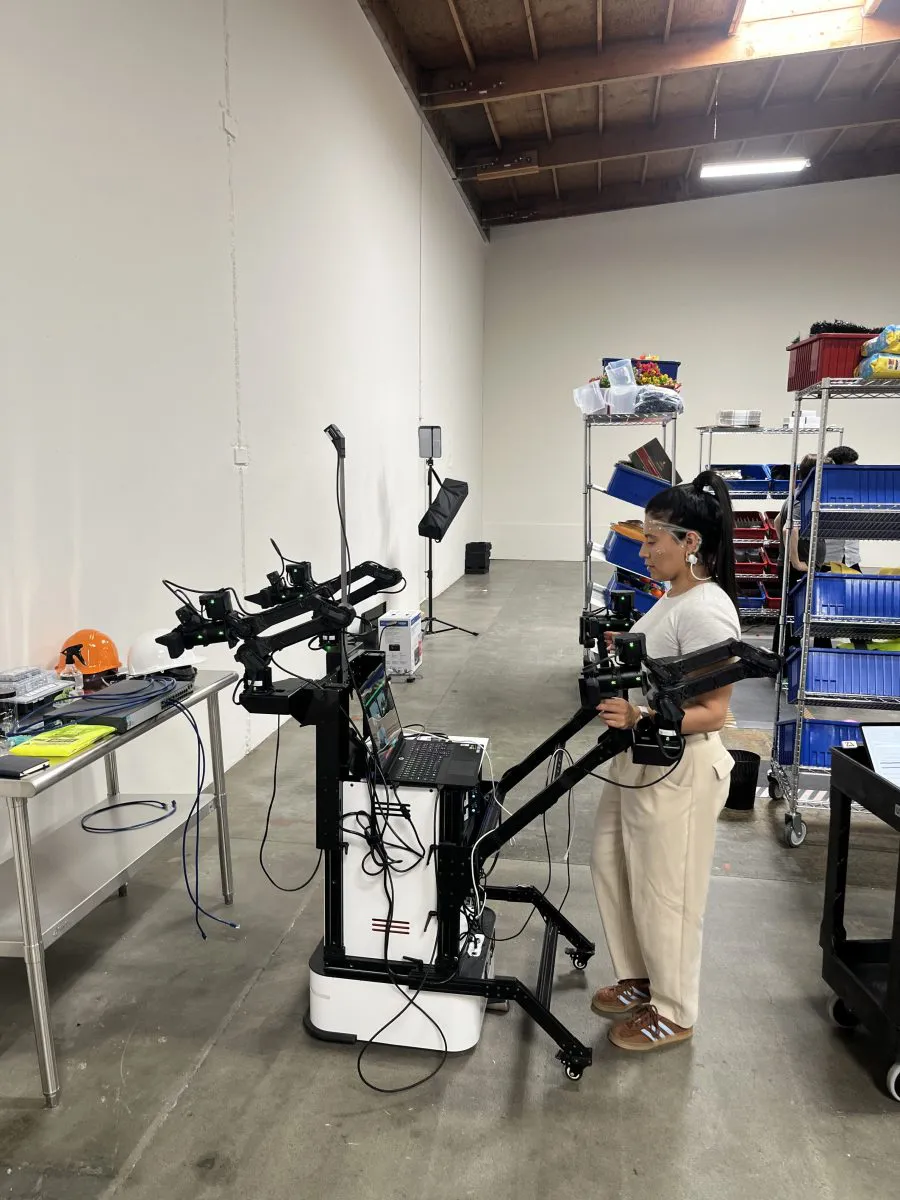
In the heart of Silicon Valley, a quiet revolution is taking place in a warehouse in San Leandro, California. Encord, a burgeoning startup, is merging neuroscience with robotics, aiming to tackle a critical challenge in the development of physical AI: the scarcity of real-world training data. By utilizing brain wave monitoring technology, Encord is not just refining how robots learn; it's fundamentally reshaping the landscape of robotic training. As Andrew Ceja, a pilot and robotic trainer, deftly pulls wooden blocks from a precariously balanced Jenga tower while wearing a sophisticated headset designed by Zander Labs, he is at the forefront of this transformative journey.
The Data Dilemma in Robotics
The field of robotics has made significant strides, yet a core limitation persists: acquiring sufficient quality data to train models effectively. Traditional methods of data collection, such as video feeds and egocentric recordings, while useful, fall short of capturing the nuanced interactions that robots need to perform complex tasks. As Vineeth Velmurugan, Encord’s head of robot learning, articulates, the data landscape is shifting. Many leading robotics companies have realized that merely managing existing data is insufficient; they must now generate new data to push the boundaries of what robots can achieve.
Why Brain Waves?
The integration of brain wave technology into this process is groundbreaking. The headset that Ceja wears captures brain activity to infer mental states such as error recognition, intent, and surprise. This data is invaluable, as it provides insights into the cognitive processes underlying task execution, which traditional data collection methods cannot. The goal is to create a rich dataset that can be leveraged to enhance model performance. According to Lucas Gehrke, a neuroscientist at Zander Labs, understanding brain activity during specific tasks can guide model builders in determining optimal times for deploying advanced AI models.

Innovative Data Collection Techniques
Encord is pioneering several innovative methodologies to overcome the data bottleneck. The company employs a dual approach to data collection, utilizing both egocentric video and remote operation data. This strategy allows for a comprehensive understanding of robot interactions in various environments. For instance, the company’s San Leandro facility is not just a testing ground; it’s a living lab where new modalities, such as brain wave monitoring, are being explored. In addition to the Jenga tower exercises, robots are trained on tasks that include pouring coffee and even manipulating Ethernet cables, simulating scenarios that data center operators aspire to automate.
Building a Better Dataset
Encord’s methodology extends beyond mere data collection. Each dataset is meticulously annotated with physical descriptions, such as “right hand tightens bolt,” to provide contextual understanding for AI models. Velmurugan estimates that this level of dense annotation is worth 100 times more than standard egocentric data for training specific tasks, despite the production costs being 20 times higher. This trade-off underscores the economic realities of data generation in physical AI. While scraping text from the internet is cost-effective for language models, the same cannot be said for generating high-quality physical training data.
The Economic Implications of Data Generation
The shift from data collection to data generation introduces new economic considerations in the AI landscape. Generating physical training data is resource-intensive, requiring significant investment in technology and infrastructure. As Velmurugan notes, the sheer scale of data needed to achieve breakthroughs in robotics is immense—potentially requiring datasets five times the size of YouTube’s video corpus. This scale of data generation is what drives companies like Encord to innovate continuously and attract funding, as the market recognizes the potential value of rich, actionable datasets.
Industry-Wide Impact and Future Prospects
The implications of Encord’s work extend beyond its immediate applications. As the company collaborates with numerous robotics firms, it gains unique insights into industry-wide trends and challenges. This positioning allows Encord to identify successful data techniques before they become mainstream, giving it a competitive edge. As more companies recognize the need for high-quality data, the demand for specialized data generation firms like Encord is likely to grow, potentially leading to a new sector within the AI landscape focused on physical training data.
Key Takeaways
- Brain wave technology is emerging as a crucial tool in AI training for robotics.
- Encord is addressing the data scarcity challenge by developing innovative data collection methods.
- The economic realities of generating physical training data differ significantly from traditional data collection.
- Industry collaboration is vital for staying ahead in the rapidly evolving robotics landscape.
Frequently Asked Questions
What is the significance of brain wave monitoring in robotics?
Brain wave monitoring allows researchers and developers to capture cognitive processes during task execution, providing richer data for training AI models. This level of insight can enhance the performance of robots by aligning their learning with human-like understanding of tasks and challenges.
How does Encord's approach differ from traditional data collection methods?
Encord's approach focuses on generating new data rather than merely managing existing datasets. By utilizing innovative techniques such as brain wave tracking and egocentric video, Encord aims to create comprehensive training datasets that capture the nuances of physical interactions, which traditional methods often miss.
What are the economic implications of generating physical training data?
The costs associated with generating physical training data are significantly higher than those of collecting existing data. This creates an economic landscape where companies must weigh the benefits of high-quality, annotated datasets against the substantial investments required to produce them.
What is the future of robotics training with the integration of brain wave technology?
The future of robotics training is poised for transformation as brain wave technology becomes more integrated into data generation processes. This advancement will likely lead to more sophisticated AI models capable of performing complex tasks with precision and adaptability, ultimately driving innovation in various industries.
Comments
Understanding the Rising Concerns Over Chinese AI Developments
The emergence of Kimi, a new AI model from China's Moonshot AI, has stirred intense debate over American competitiveness and the implications of Chinese AI advancements. This article explores the underlying factors driving the anxiety surrounding Chinese AI innovations and their potential impact on the global landscape.

Related articles
Popular in AI Tools
- OpenAI's GPT-Live: Transforming Voice Interaction with AI
- SpaceX's Grok 4.5: Disruption in AI Coding at Unmatched Prices
- Gaming Data: The Future of Training AI for General Intelligence
- OpenAI's GPT-5.6: A New Era for Microsoft Copilot and Beyond
- The AI Deployment Dilemma: Balancing Autonomy and Governance