Anthropic's Controversial New Ad: A Deep Dive into AI Ethics and Marketing
Anthropic's latest advertisement, laden with unsettling imagery and a doomsday tone, raises eyebrows and questions about AI ethics. In this article, we explore the implications of their marketing strategy and the industry's response.
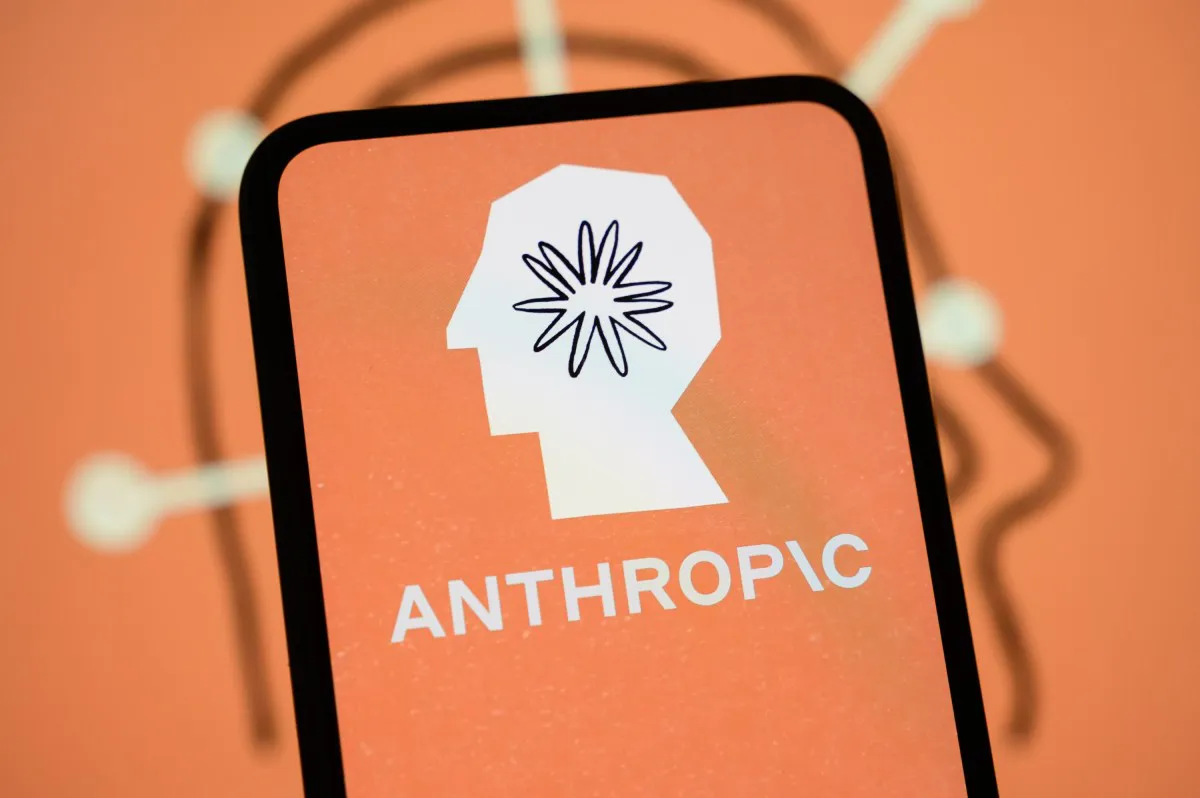
In the ever-evolving landscape of artificial intelligence (AI), the manner in which companies present themselves can be as crucial as the technology they develop. Anthropic, the AI company known for its commitment to ethical AI, recently launched a new advertisement titled "There's hope in hard questions." However, this latest effort has not only raised eyebrows but also sparked significant discomfort among viewers. With a combination of dark imagery and existential questions about AI, the ad seems to tread a fine line between provocative and disturbing.
The ad opens with striking visuals, including a burning house, a homeless individual on the street, and rows of tombstones in a cemetery. These images are accompanied by a voice-over featuring various individuals posing challenging questions, such as "Can AI be trusted?" and "Who’s gonna hit the brakes if we need to?" This blend of unsettling visuals and thought-provoking inquiries sets a tone that is far from the family-friendly marketing most companies opt for. While Anthropic's intention may be to showcase its awareness of the ethical dilemmas surrounding AI, the execution has led to a backlash that merits deeper exploration.

The Ethics Behind the Marketing
Understanding Anthropic's approach requires delving into its self-stated mission to serve as an ethical alternative among its competitors in the AI sector. Founded by former OpenAI employees, Anthropic has consistently positioned itself as a champion of responsible AI, advocating for transparency and accountability in a field often criticized for its lack of these principles.
However, the company's recent advertisement seems to reflect a strategy that involves confronting the darker aspects of AI directly. By acknowledging the fears and ethical concerns associated with AI deployment, Anthropic aims to present itself as a trustworthy player. This marketing tactic is not novel; many brands employ it by owning up to the negative impacts their industry may have. For Anthropic, this means addressing issues such as surveillance, exploitation, and loss of human agency—topics that resonate deeply in both public and professional discourse.
Public Reaction: A Mixed Bag
The public response to the advertisement has been predictably polarized. While some industry insiders appreciate the boldness of Anthropic's message, many viewers have expressed discomfort and confusion. Sam Altman, CEO of OpenAI, was quick to mock the ad, suggesting it bordered on satire. His critique resonates with others in the tech community who have pointed out that the imagery—particularly the cemetery scenes—feels more macabre than meaningful.
Among the critiques, comments ranged from disbelief to outright condemnation. Observers noted the ad's unsettling tone and questionable imagery, with one commenter highlighting the “fucked up” nature of using graveyard visuals while questioning AI's ethical framework. This backlash raises critical questions about the effectiveness of using shock value in marketing, particularly in the sensitive arena of AI ethics.

Marketing Strategies in Context
To contextualize Anthropic's approach within the broader marketing landscape, it’s essential to consider the typical practices in tech advertising. Traditionally, tech companies focus on showcasing their products’ benefits, using aspirational themes and positive imagery to build brand loyalty. Anthropic's strategy diverges from this norm, prioritizing a narrative that highlights societal concerns over technological advancement.
This approach aligns with what some marketing experts have termed a “disruption strategy,” where brands aim to provoke thought and discussion by highlighting uncomfortable truths. While this may resonate with certain audiences, it can also alienate potential customers who might prefer a more hopeful narrative.
Lessons from the Past
Anthropic is not the first tech company to tread this controversial path. In the past, other brands have faced backlash for their marketing choices, often when the messaging clashes with audience expectations. For example, during the Super Bowl, Anthropic previously garnered positive attention with humorous ads aimed at OpenAI's monetization strategies. The contrast between that campaign and the current ad is stark; the former was light-hearted, while the latter leans into existential dread.
Such shifts in messaging underscore the importance of understanding audience sentiment in marketing strategies. Companies must carefully evaluate how their messaging aligns with public perception, particularly in a field as charged as AI.

Anthropic's Position in the AI Landscape
As the AI industry continues to grow, companies like Anthropic are navigating a complex terrain marked by fierce competition and ethical scrutiny. The company has made headlines for its commitment to responsible AI, but reactions to its marketing efforts reveal the challenges it faces in balancing its ethical stance with effective communication.
Anthropic's primary competitors, including OpenAI and Google, have also wrestled with ethical dilemmas and public perception. As these companies strive for market leadership, their marketing strategies play a crucial role in shaping public opinion and customer trust. For Anthropic, the challenge will be to maintain its ethical commitments while ensuring that its messaging resonates positively with the public.
Key Takeaways
- Anthropic's ad evokes strong reactions due to its dark imagery and existential questions about AI.
- Marketing strategies that confront societal fears can alienate audiences, even if intentions are noble.
- Public perception is crucial for tech companies navigating the ethical landscape of AI.
- Effective communication must balance ethical considerations with positive messaging to maintain trust.
Frequently Asked Questions
What was the main message of Anthropic's advertisement?
The main message of Anthropic's advertisement centered around the ethical dilemmas posed by AI technology. Through unsettling imagery and thought-provoking questions, the ad aimed to provoke discussion about trust in AI and the responsibility of tech companies to address potential harms. However, the execution has garnered criticism for its dark tone and imagery, which some viewers found unsettling.
How does Anthropic's advertising strategy differ from its competitors?
Anthropic's advertising strategy diverges from its competitors by directly confronting the ethical concerns associated with AI rather than focusing solely on product advantages. While many tech companies utilize optimistic narratives to build brand loyalty, Anthropic's approach emphasizes awareness of societal issues, which can resonate with some audiences but may alienate others who prefer a more hopeful outlook.
What are the potential risks of using shock value in marketing?
Using shock value in marketing carries inherent risks, including alienating potential customers and damaging brand reputation. While provocative content can generate discussion and awareness, it can also lead to backlash if audiences perceive it as insensitive or inappropriate. Companies must carefully assess audience sentiment and cultural context to avoid missteps that could harm their image.
What does this controversy mean for the future of AI marketing?
The controversy surrounding Anthropic's advertisement highlights the need for tech companies to navigate the ethical landscape of AI with care. As the industry matures, marketing strategies that effectively communicate ethical commitments while resonating positively with audiences will be crucial. Companies must find a balance between addressing societal concerns and maintaining a hopeful narrative to build trust with customers.
Comments
Call for AI Regulation: DeepMind's Vision for a Standards Body
Demis Hassabis, CEO of Google DeepMind, advocates for a new regulatory body to oversee frontier AI models. This proposal aims to ensure safety and innovation in AI development through structured assessments.
Related articles
Popular in AI Tools
- OpenAI's GPT-Live: Transforming Voice Interaction with AI
- SpaceX's Grok 4.5: Disruption in AI Coding at Unmatched Prices
- Gaming Data: The Future of Training AI for General Intelligence
- OpenAI's GPT-5.6: A New Era for Microsoft Copilot and Beyond
- The AI Deployment Dilemma: Balancing Autonomy and Governance