Cognition CEO Refutes SpaceX Acquisition Rumors Amid AI Growth
Cognition's CEO disputes claims that SpaceX attempted to acquire the AI startup while both companies navigate the competitive landscape of artificial intelligence. This article explores the implications of the rumored acquisition and the broader AI market dynamics.
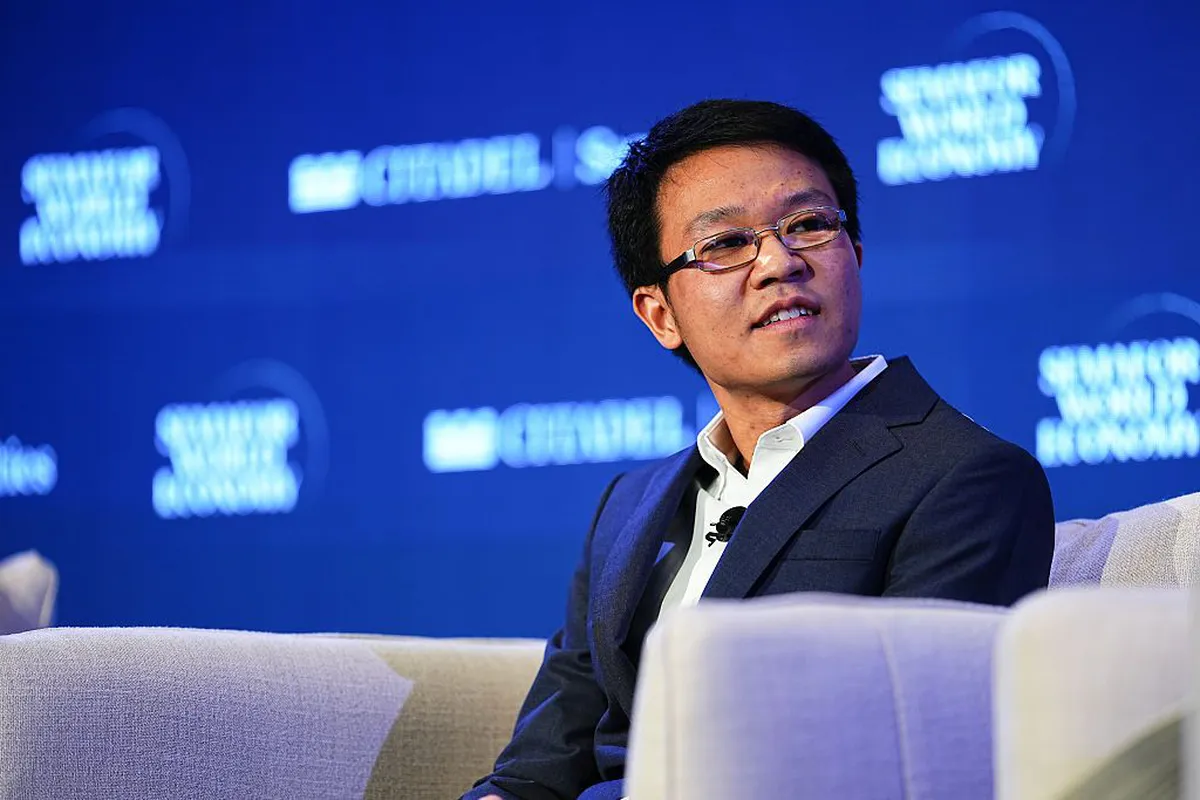
In a surprising turn of events, Cognition CEO Scott Wu has publicly denied reports suggesting that SpaceX pursued an acquisition of his AI coding startup. The speculation arose following a report from Bloomberg, which cited unnamed sources indicating that SpaceX sought to integrate Cognition into its expanding AI operations. As both companies navigate the increasingly competitive artificial intelligence landscape, the implications of such a merger—or lack thereof—could significantly impact their futures.
The context surrounding this denial reveals much about the current state of the AI sector, particularly as it relates to SpaceX’s ambitions. With Elon Musk at the helm, SpaceX has made moves to establish itself as a formidable player in the AI domain, following its recent $60 billion acquisition of Cursor, another AI coding firm. As SpaceX gears up for an ambitious future where AI could represent 99% of its revenue, the interest in Cognition highlights the high stakes and rapid developments in AI technology.

The AI Race: SpaceX's Bold Moves
SpaceX's pursuit of AI capabilities is not just a side project; it is central to its long-term vision. The company has already made headlines with the acquisition of Musk’s own AI startup, xAI, which went public in June with an astonishing market capitalization that peaked at nearly $2.3 trillion. This rapid growth reflects an increasing investor appetite for AI-driven technologies, particularly those that can enhance coding and automation.
However, SpaceX's AI journey has not been without complications. The company’s chatbot, Grok, has faced controversies that could hinder its reputation in the enterprise market. Incidents involving offensive content and inappropriate imagery have raised questions about the robustness and ethical considerations of its AI products. As Musk stated to his employees, AI is projected to become the backbone of SpaceX’s value, but a strong, reliable product is essential for achieving that goal.

Cognition's Position in the AI Ecosystem
Despite the rumors, Cognition remains staunchly independent, with Wu emphasizing that the startup is not for sale. This assertion is particularly significant given Cognition's impressive trajectory. The company recently completed a $1 billion funding round, establishing a post-money valuation of $25 billion, and is now negotiating for an additional round that could elevate its valuation to $40 billion.
What sets Cognition apart in the crowded AI landscape is its focus on AI-assisted coding solutions. The company’s flagship coding agent, Devin, serves a robust enterprise customer base that includes industry giants such as Mercedes-Benz, Citi, and Goldman Sachs. This established clientele not only underscores Cognition's market relevance but also illustrates its potential to influence coding practices across various sectors.
The Challenges Ahead
While Cognition enjoys a strong market position, it must also navigate potential challenges. The recent acquisition of Windsurf, another AI startup, illustrates the aggressive consolidation occurring in the sector. Following that acquisition, Cognition had to lay off 30 employees and implement strict operational expectations for the remaining workforce, leading to criticisms regarding work-life balance.
Moreover, the competitive landscape is fierce, with established players like OpenAI and Anthropic leading the charge in AI advancements. Cognition's ability to innovate and remain relevant will be critical, especially as it contemplates partnerships or collaborations—such as the rumored discussions with SpaceX regarding the use of its computing resources.

The Future of AI and Potential Collaborations
Although acquisition talks may have cooled, the prospect of collaboration between SpaceX and Cognition remains intriguing. SpaceX's computing power, which it is currently leveraging by selling capacity to other AI firms, could provide Cognition with essential resources to enhance its product offerings and scale operations effectively.
The partnership could also benefit SpaceX by allowing it to draw on Cognition’s expertise in coding solutions, further enriching its AI capabilities. As both companies continue to expand their respective AI portfolios, their collaboration could yield innovative solutions that align with the broader goals of enhancing productivity and efficiency in coding practices.
Key Takeaways
- Cognition CEO Scott Wu denies acquisition rumors from SpaceX, asserting independence and ongoing growth.
- SpaceX actively invests in AI, having recently acquired Cursor and xAI to strengthen its market position.
- Cognition's enterprise clientele includes major companies like Mercedes-Benz and Goldman Sachs, highlighting its importance in the coding AI sector.
- Challenges in the AI landscape include competition with established giants like OpenAI and Anthropic.
- Future collaborations between Cognition and SpaceX could enhance both companies' capabilities.
Frequently Asked Questions
What is Cognition and what do they specialize in?
Cognition is an AI startup focused on developing innovative coding solutions that leverage artificial intelligence to improve programming efficiency. The company has attracted significant attention for its coding agent, Devin, which serves a wide range of enterprise clients across various industries, helping them streamline coding processes and enhance productivity.
Why did SpaceX express interest in acquiring Cognition?
SpaceX’s interest in Cognition appears to stem from its ambitious plans to significantly increase its AI capabilities, particularly in coding. By integrating Cognition’s technology and customer base, SpaceX could have strengthened its position in the competitive AI landscape, which is critical for its long-term vision of AI being a major revenue driver.
What are the implications of AI coding solutions for businesses?
AI coding solutions can revolutionize how businesses approach software development by automating routine coding tasks, thereby reducing development time and costs. This shift allows companies to allocate resources more effectively and focus on higher-level strategic initiatives, ultimately driving innovation and efficiency across various sectors.
What challenges does Cognition face in the current market?
Cognition must contend with fierce competition from major AI players while navigating operational challenges, such as maintaining employee morale and balancing work-life expectations. Moreover, as the AI landscape evolves rapidly, Cognition will need to continuously innovate and adapt its offerings to remain relevant and appealing to its enterprise clients.
Comments
The Growing Distrust in AI: Challenges and Consumer Sentiment
Despite significant advancements in artificial intelligence, public trust is waning, with many consumers expressing skepticism about its benefits. This article explores the troubling trend of distrust in AI and its implications for the industry.

Related articles

Popular in AI Tools
- OpenAI's GPT-Live: Transforming Voice Interaction with AI
- SpaceX's Grok 4.5: Disruption in AI Coding at Unmatched Prices
- Gaming Data: The Future of Training AI for General Intelligence
- OpenAI's GPT-5.6: A New Era for Microsoft Copilot and Beyond
- The AI Deployment Dilemma: Balancing Autonomy and Governance