OpenAI Launches Teen-Friendly ChatGPT: A Safer AI Experience
OpenAI has launched a new version of ChatGPT tailored for teenagers, introducing enhanced safety features to address mental health concerns and academic integrity issues. This article explores the implications of these changes, how they work, and what parents and educators need to know.
On August 18, 2026, OpenAI unveiled a new iteration of its popular AI chatbot, ChatGPT, specifically designed for teenagers. This launch comes in response to increasing scrutiny over the safety of AI technologies, especially given the alarming reports linking chatbot interactions to mental health crises among young users. With a focus on promoting safe and constructive engagement, this new version aims to address significant concerns surrounding teen usage of AI tools.
The timing of this announcement is significant. Over the last few years, the rapid adoption of generative AI by younger audiences has raised red flags among parents, educators, and mental health advocates. Reports of inappropriate content exposure, instances of cyberbullying, and academic dishonesty have prompted calls for stronger safeguards in AI applications designed for minors. OpenAI’s new model seeks to mitigate these risks while fostering a more enriching learning environment for teens.

Understanding ChatGPT for Teens
ChatGPT for Teens introduces several innovative features aimed at creating a safer online environment. These enhancements include:
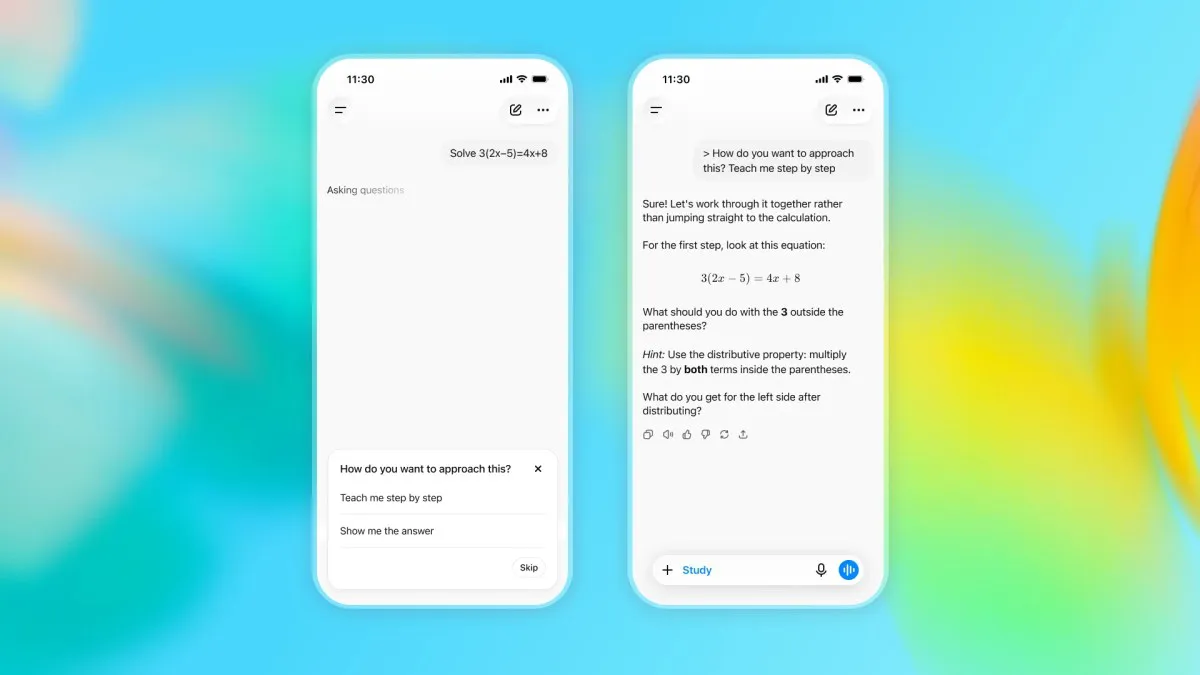
- Study Mode: This new feature encourages critical thinking by offering guiding questions and step-by-step support, promoting deeper engagement with learning materials.
- Homework Reminders: The chatbot will alert users attempting to use it for cheating, redirecting them to Study Mode instead.
- Parental Controls: Parents can manage settings to ensure that the app is used appropriately, including setting Quiet Hours to limit access during designated times.
- Content Safeguards: By default, ChatGPT for Teens will have protections against harmful content, based on OpenAI's Under-18 Principles, which are informed by developmental science.
- Collaboration with CodeAI: OpenAI has partnered with CodeAI to provide educational resources on AI literacy, helping teens understand how to interact with AI responsibly.
These features signal OpenAI's commitment to addressing the unique challenges posed by AI technology in the lives of teenagers, particularly as they navigate academic and social pressures.
The Educational Impact of AI Tools
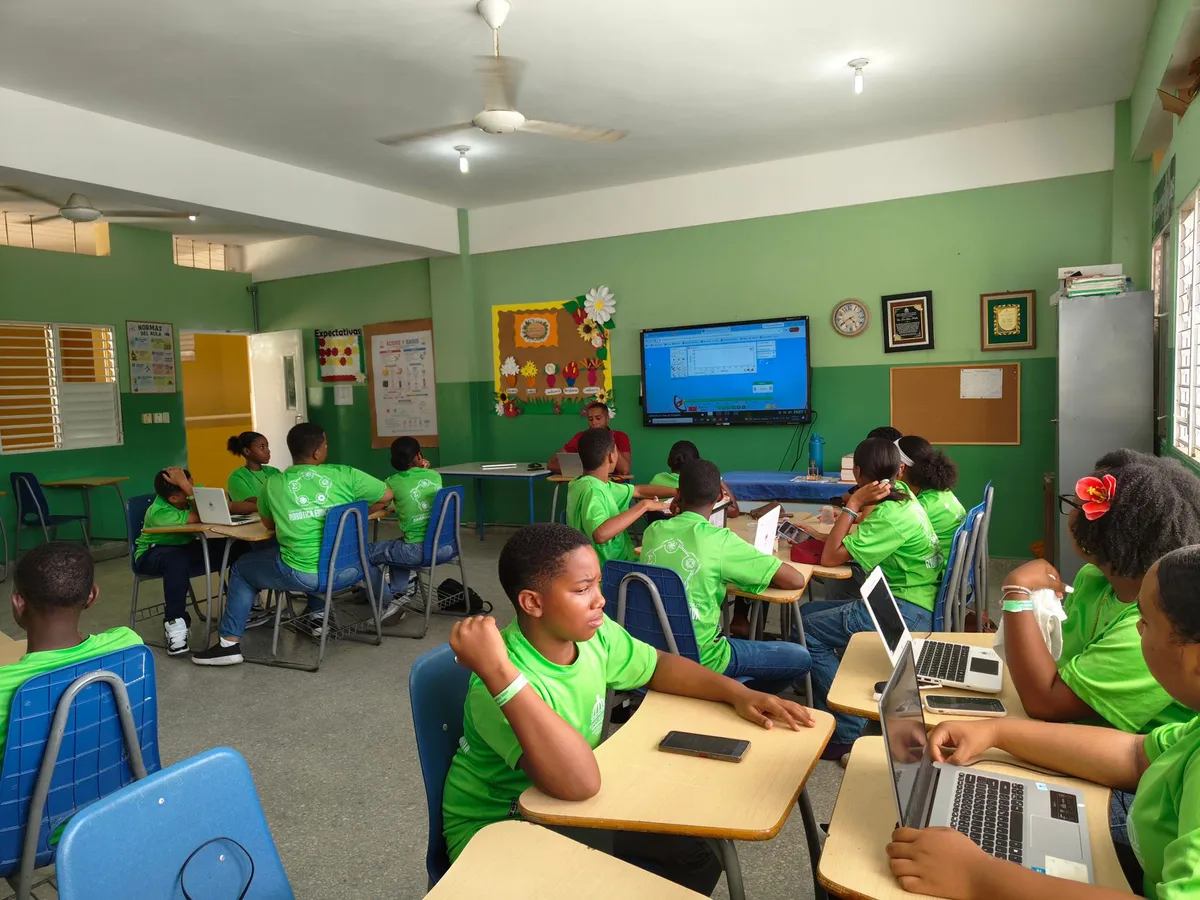
The integration of AI tools like ChatGPT into educational settings can be both beneficial and challenging. On one hand, such tools can enhance learning by providing instant access to information and personalized support. However, the potential for misuse—such as cheating on assignments—raises important questions about academic integrity.
OpenAI's introduction of the Study Mode feature is particularly noteworthy. It aims to transform the way students interact with AI by promoting comprehension over mere answer retrieval. This aligns with the growing trend in education that emphasizes critical thinking and problem-solving skills over rote memorization.
However, the effectiveness of these features in real-world scenarios remains to be seen. Given teenagers' adeptness at circumventing restrictions, there is concern about whether they will be able to bypass these safety measures when motivated to do so. OpenAI has acknowledged this challenge but maintains that its protections are robust and rooted in expert guidance.

Parental and Educator Considerations
For parents and educators, the launch of ChatGPT for Teens presents both opportunities and responsibilities. OpenAI's parental controls allow guardians to tailor the app's settings according to their values and their child's maturity level. This feature could significantly aid in monitoring and guiding how teens use the technology.
Moreover, the partnership with CodeAI to enhance AI literacy is a crucial step in preparing young users for a future where AI will play an increasingly pervasive role. Educators can leverage these tools to not only teach students about the potential benefits of AI but also discuss the ethical implications and responsibilities that come with using such technologies.
Empowering Responsible Use
To maximize the benefits of ChatGPT for Teens, open conversations about responsible technology use are essential. Parents should have discussions with their teens about the importance of using AI as a tool for learning and growth rather than a shortcut to bypass academic effort. This cultural shift towards responsible engagement with technology can help mitigate some of the risks associated with AI use.
Legal and Ethical Framework
The launch of ChatGPT for Teens also intersects with broader discussions about the legal and ethical frameworks surrounding AI technologies. As generative AI continues to evolve, so too does the need for regulations that protect users, particularly vulnerable populations like teenagers.
OpenAI's development of protections in line with their Under-18 Principles is a proactive measure in this regard. These principles are designed not just to comply with existing laws but also to set a standard for ethical AI deployment. As the conversation around AI safety and responsibility progresses, it will be crucial for companies to engage with policymakers, educators, and mental health experts to create comprehensive, effective regulations.

Key Takeaways
- ChatGPT for Teens introduces enhanced safety features aimed at protecting mental health and promoting academic integrity.
- The app includes a Study Mode that encourages critical thinking and problem-solving.
- Parental controls allow guardians to manage settings and monitor usage effectively.
- OpenAI's Under-18 Principles inform the app's content safeguards to protect young users.
- Collaboration with CodeAI aims to enhance AI literacy among teens.
Frequently Asked Questions
What specific features does ChatGPT for Teens offer to ensure safety?
ChatGPT for Teens includes several safety features such as content safeguards that filter out harmful material, a Study Mode that promotes learning rather than cheating, and parental controls for managing app usage. These features aim to create a supportive environment for teenagers as they learn and engage with AI technology.
How can parents effectively monitor their child's use of ChatGPT?
Parents can utilize the built-in parental controls to customize the settings of ChatGPT for Teens. This includes setting Quiet Hours to restrict usage during specific times, as well as receiving safety notifications about their child's interactions with the app. Engaging in open discussions about responsible use is also key to fostering a healthy relationship with technology.
Will the new safety measures be effective in preventing misuse?
While OpenAI has designed the safety measures to be robust, the effectiveness of these features can only be confirmed through real-world usage. Teens often find ways to bypass restrictions, so continuous assessment and updates to the safety protocols will be crucial to ensure that they remain effective over time.
What role do educators have in using ChatGPT for Teens in the classroom?
Educators can leverage ChatGPT for Teens as a supplemental learning tool that encourages critical thinking. By integrating the app into the curriculum, teachers can help students explore subjects more deeply while emphasizing the ethical considerations surrounding AI usage. Educators can also use the platform to facilitate discussions about the implications of technology in society.
Comments
Popular in AI Tools
- OpenAI's GPT-Live: Transforming Voice Interaction with AI
- SpaceX's Grok 4.5: Disruption in AI Coding at Unmatched Prices
- Gaming Data: The Future of Training AI for General Intelligence
- OpenAI's GPT-5.6: A New Era for Microsoft Copilot and Beyond
- The AI Deployment Dilemma: Balancing Autonomy and Governance