SpaceX Completes Acquisition of AI Startup Cursor: What It Means for the Future
SpaceX has officially acquired AI coding startup Cursor, enhancing its computing capabilities. This merger signals a significant shift in how AI technology may evolve within the aerospace industry.
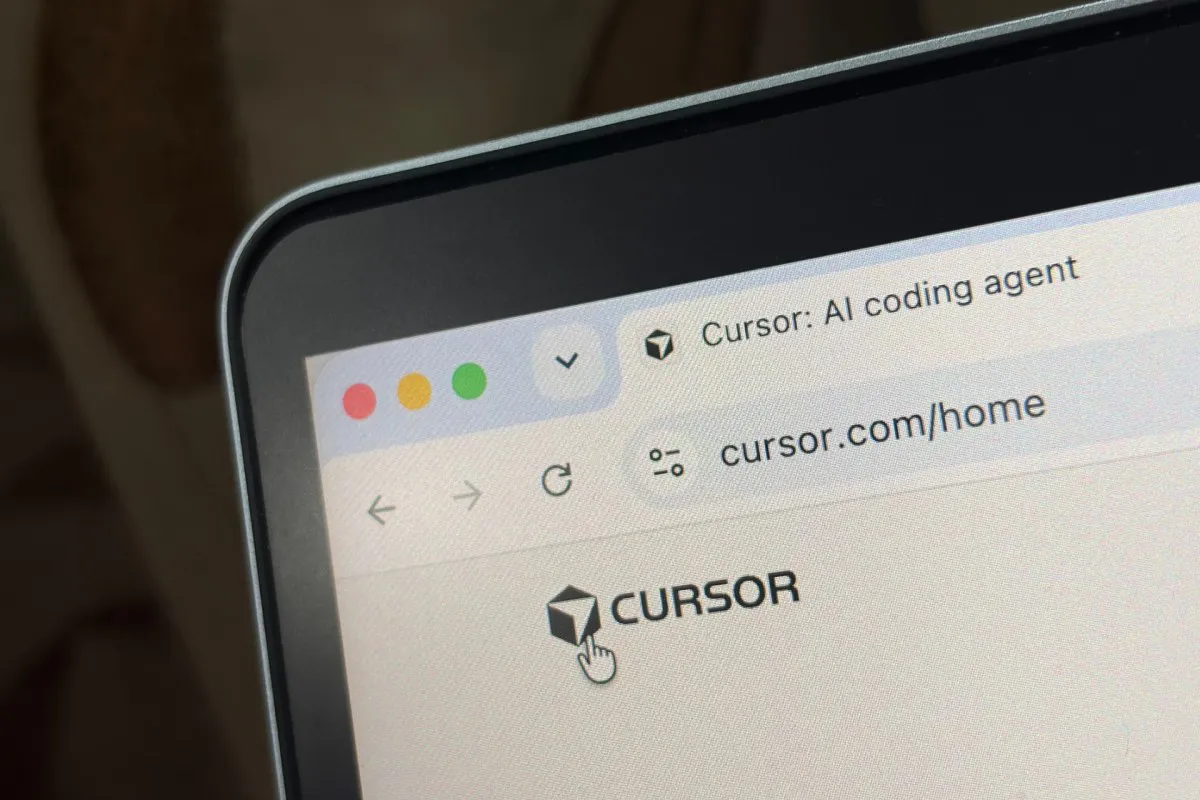
In a landmark move signaling the deepening convergence of aerospace and artificial intelligence, SpaceX has officially acquired the AI startup Cursor. This acquisition, which was first announced in April, represents not just a strategic expansion for SpaceX but also an essential step toward enhancing its computing infrastructure capabilities, which have already garnered attention from tech giants like Anthropic and Google. With Cursor now part of the SpaceX family, the implications for AI development and utilization are profound.
Background on SpaceX and Cursor
Founded by Elon Musk in 2002, SpaceX has consistently pushed the boundaries of space technology, from its reusable rocket technology to its ambitious plans for Mars colonization. In recent years, the company has also ventured into the realm of artificial intelligence, recognizing the pivotal role that advanced computing plays in future aerospace endeavors. On the other hand, Cursor, a startup focusing on AI coding solutions, has been carving a niche for itself in the rapidly evolving tech landscape.
The acquisition deal, which allowed SpaceX to purchase Cursor for a staggering $60 billion, is not merely a financial transaction; it represents a strategic alignment between two innovative entities. Both companies share a vision of pushing technological boundaries and scaling intelligence far beyond current capabilities.

Strategic Implications of the Acquisition
The integration of Cursor into SpaceX is poised to have substantial implications for both companies. By leveraging Cursor's expertise in AI coding and programming, SpaceX aims to enhance its own computational resources, particularly with its substantial fleet of Graphics Processing Units (GPUs). Cursor emphasized that being part of SpaceX will provide it with “access to the largest fleet of GPUs in the world,” a critical resource for AI development.
Enhancing Computing Infrastructure
SpaceX has been renting out its computing infrastructure to other tech companies, including high-profile players like Anthropic and Google. By acquiring Cursor, SpaceX is not just strengthening its own AI capabilities but also potentially expanding its offerings to external clients. This could lead to the establishment of a robust ecosystem where AI applications can be developed rapidly, making it easier for organizations to leverage cutting-edge technology.
Broader Industry Impact
The implications of this acquisition extend beyond SpaceX and Cursor. As the lines between aerospace and AI continue to blur, other companies in both industries will need to adapt to this new reality. The growing importance of AI in sectors like aerospace could accelerate innovation and competition, prompting other firms to explore similar partnerships or acquisitions.
Challenges and Controversies
Despite the promising outlook, the acquisition comes with its share of challenges. SpaceX is currently facing a lawsuit concerning pollution generated by its data center gas turbines. This legal issue could impact the company’s operations and public perception, as environmental concerns increasingly dominate discussions surrounding tech and aerospace industries.
Moreover, the technical integration of Cursor's AI capabilities into SpaceX's existing framework will require significant effort and resources. Ensuring that both teams can collaborate effectively and leverage each other's strengths will be crucial for the success of this merger.

Future Prospects for AI in Aerospace
As SpaceX continues to grow and expand its capabilities through strategic acquisitions such as Cursor, the future of AI in aerospace looks promising. The company's vision of scaling intelligence and enhancing computational power could lead to groundbreaking advancements in how space missions are planned and executed.
Potential Applications
Some potential applications of this integration include:
- Autonomous Spacecraft: Utilizing AI to improve navigation and operational efficiency.
- Predictive Analytics: Enhancing decision-making processes through advanced data analysis.
- AI-Driven Simulations: Creating more realistic training environments for astronauts and mission planners.
As these possibilities unfold, the aerospace industry may witness a paradigm shift where AI becomes an integral part of space exploration and operations.
Key Takeaways
- SpaceX has officially acquired AI startup Cursor for $60 billion, enhancing its computing infrastructure.
- This acquisition allows SpaceX access to a fleet of GPUs, crucial for AI development.
- It signals a growing convergence of aerospace and AI technology, reshaping industry dynamics.
- Environmental challenges and integration efforts pose significant hurdles for the merger.
- Potential applications of AI in aerospace could revolutionize future missions.
Frequently Asked Questions
What does the acquisition mean for SpaceX's future?
The acquisition of Cursor allows SpaceX to enhance its computing capacity significantly, which is essential for advancing its projects in aerospace and AI. This merger could lead to innovations in spacecraft autonomy, data analytics, and operational efficiency, positioning SpaceX at the forefront of both industries.
How will Cursor benefit from becoming part of SpaceX?
By joining SpaceX, Cursor gains access to a massive fleet of GPUs and the resources necessary to scale its AI technology rapidly. This partnership will enable Cursor to leverage SpaceX’s expansive infrastructure, enhancing its development capabilities and potentially leading to groundbreaking AI solutions for both companies.
What challenges does SpaceX face with this acquisition?
SpaceX is currently entangled in a lawsuit related to pollution from its data centers, which could impact its operations and public perception. Additionally, effectively integrating Cursor's technology into SpaceX's existing framework will require significant resources, collaboration, and strategic planning to ensure a successful merger.
Comments
Optimizing Retrieval-Augmented Generation: A Cascade Approach
In the evolving landscape of AI, teams leveraging Retrieval-Augmented Generation (RAG) must rethink their architectures to ensure accuracy and compliance. This article explores the cascade architecture model, which significantly improves efficiency and reduces costs while enhancing decision-making in high-stakes environments.

Related articles



Popular in AI Tools
- OpenAI's GPT-Live: Transforming Voice Interaction with AI
- SpaceX's Grok 4.5: Disruption in AI Coding at Unmatched Prices
- Gaming Data: The Future of Training AI for General Intelligence
- OpenAI's GPT-5.6: A New Era for Microsoft Copilot and Beyond
- The AI Deployment Dilemma: Balancing Autonomy and Governance