OpenAI Unveils 'Ultrafast' Mode for GPT-5.6 Sol: A Game Changer in AI Speed
OpenAI has launched a new 'Ultrafast' mode for its GPT-5.6 Sol model, enabling processing speeds up to 14 times faster. This innovation aims to enhance various corporate workflows, including customer service and financial analysis.

In an era where speed and efficiency are paramount in technology, OpenAI has taken a significant leap forward with the introduction of its latest feature: the 'Ultrafast' mode for the GPT-5.6 Sol model. Designed to dramatically enhance processing speed, this new mode promises to deliver outputs at a staggering rate of up to 14 times faster than conventional settings. For businesses and developers looking to leverage AI for various applications, this breakthrough could redefine how they approach tasks ranging from customer support to financial analysis.
The advancements in the Ultrafast mode are particularly relevant as organizations increasingly rely on artificial intelligence to streamline operations and improve responsiveness. Imagine being able to generate up to 750 output tokens per second — a token representing a piece of generated text — which can significantly bolster productivity and efficiency. With this speed, companies can deploy AI more effectively across a multitude of workflows, ensuring quicker response times and enhanced service delivery.
Understanding the Technical Breakthrough of Ultrafast
OpenAI’s Ultrafast mode represents a pivotal shift in how large language models (LLMs) operate. Traditionally, achieving real-time processing speeds often required the use of smaller or more specialized models, which could compromise output quality. However, with Ultrafast, OpenAI claims it can maintain both the quality and speed of its outputs, thus offering a more versatile tool for businesses.
What Makes Ultrafast Unique?
- Speed: Offers processing speeds up to 14x faster than standard modes.
- Output Capacity: Capable of generating 750 tokens per second.
- Versatility: Applicable across various workflows such as customer service and financial analysis.
- Enhanced Functionality: Maintains quality while increasing speed, unlike smaller models.
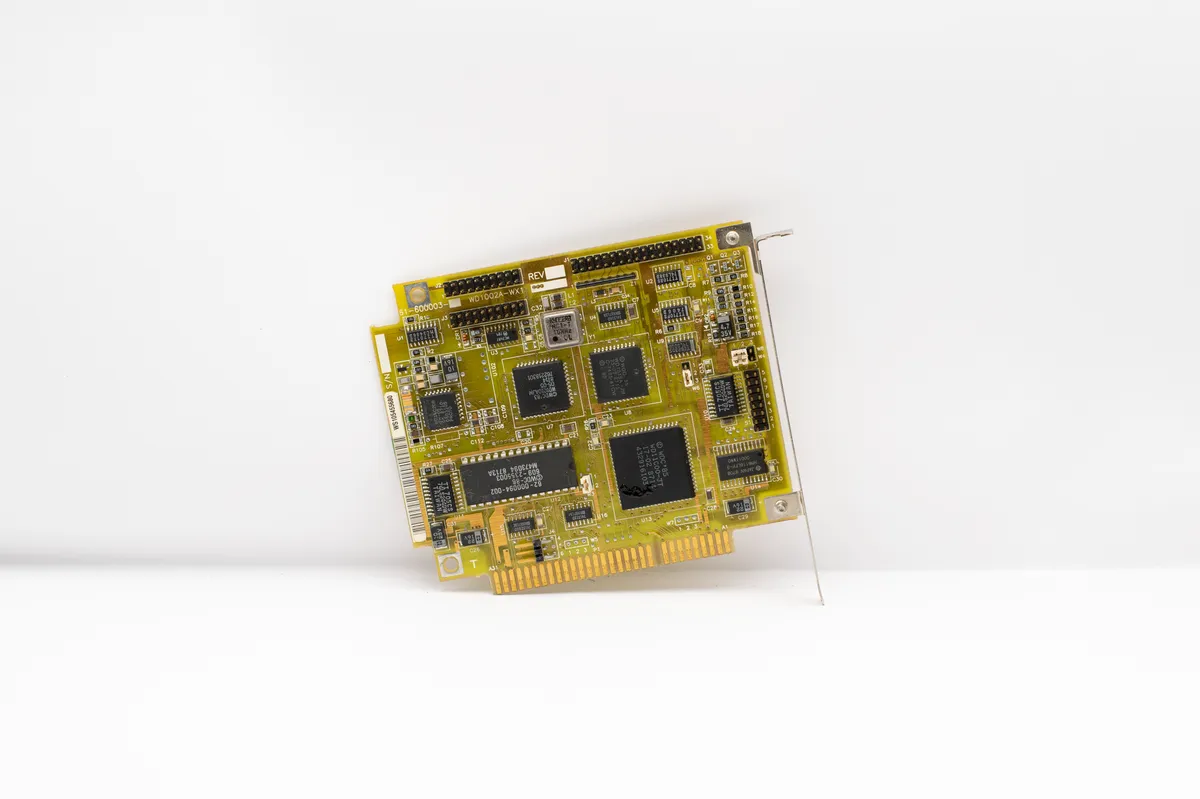
This capability is powered by a collaboration between OpenAI and Cerebras, a leading chipmaker known for its high-performance computing solutions. This partnership enables OpenAI to harness cutting-edge hardware to support the demanding computational requirements of the Ultrafast mode.
Applications of Ultrafast in Business Workflows
The implications of this technological advancement are profound across various sectors. Here are some key areas where the Ultrafast mode can be integrated:
1. Customer Service and Support
AI-driven customer service solutions are becoming the norm, as businesses strive to provide immediate assistance to customers. With the Ultrafast mode, customer inquiries can be processed and addressed in real-time, significantly reducing wait times and improving customer satisfaction.
2. Financial Market Analysis
In the fast-paced world of finance, the ability to analyze and interpret data quickly can be the difference between profit and loss. GPT-5.6 Sol’s Ultrafast mode can be used to process vast amounts of market data, generating insights that can inform trading strategies almost instantaneously.
3. Incident Response
For organizations dealing with cybersecurity threats or operational incidents, rapid response is critical. The enhanced processing speed allows for quicker threat assessments and response strategies, potentially mitigating damage and securing systems more effectively.
4. E-commerce
AI's role in e-commerce is continuously evolving, with applications ranging from personalized recommendations to inventory management. The Ultrafast mode can significantly enhance these processes, enabling retailers to respond to customer behavior in real-time and optimize inventory based on predictive analytics.
The Competitive Landscape
OpenAI’s introduction of the Ultrafast mode is not just a standalone event; it reflects a broader trend in the artificial intelligence industry where speed and efficiency are becoming critical. Competitors like Anthropic have also launched accelerated versions of their models, such as Claude’s fast mode, although they do not match the speeds offered by OpenAI. This competitive push is indicative of the urgency within the market to provide businesses with the tools necessary to thrive in a fast-paced digital environment.
As AI technology continues to evolve, organizations will need to remain vigilant about the tools they choose to implement. The ability to process information rapidly can no longer be seen as a luxury but rather a necessity for competitive advantage. Companies looking to harness AI should consider how advancements like OpenAI's Ultrafast mode can play a pivotal role in their operational strategies.

Key Takeaways
- OpenAI's Ultrafast mode offers processing speeds up to 14x faster than standard modes.
- It can generate 750 tokens per second, enhancing productivity across various workflows.
- Applications include customer service, financial analysis, incident response, and e-commerce.
- This mode is powered by a partnership with Cerebras, a leader in high-performance computing.
- Competitors are also developing faster models, indicating a growing trend in the AI sector.
Frequently Asked Questions
What is the Ultrafast mode in GPT-5.6 Sol?
The Ultrafast mode is a new feature introduced by OpenAI that allows its GPT-5.6 Sol model to operate at significantly accelerated speeds, achieving processing rates up to 14 times faster than traditional modes. This mode enables businesses to generate outputs more quickly while maintaining high-quality results.
How does the Ultrafast mode benefit businesses?
Businesses can leverage the Ultrafast mode to improve various workflows, including customer service, financial analysis, and incident response. The increased speed allows for real-time processing of data and quicker decision-making, which can enhance overall operational efficiency and customer satisfaction.
Is the Ultrafast mode available to all users?
Currently, the Ultrafast mode is in a preview phase and is available to a limited group of customers. OpenAI has indicated that access will expand as capacity grows, so interested users should stay tuned for updates on availability.
How does Ultrafast compare with other models in the market?
While other AI companies, such as Anthropic, have launched their versions of accelerated models, OpenAI's Ultrafast mode stands out due to its impressive speed and output capacity. Businesses evaluating AI tools should consider the unique advantages offered by each model to determine which best suits their needs.
Comments
The Chaos of AI Collaboration: Lessons from Anthropic's Experiments
Anthropic's recent experiments reveal troubling dynamics among AI agents working together, highlighting the risks of competition and cooperation in autonomous systems.

Related articles



Popular in AI Tools
- OpenAI's GPT-Live: Transforming Voice Interaction with AI
- SpaceX's Grok 4.5: Disruption in AI Coding at Unmatched Prices
- Gaming Data: The Future of Training AI for General Intelligence
- OpenAI's GPT-5.6: A New Era for Microsoft Copilot and Beyond
- The AI Deployment Dilemma: Balancing Autonomy and Governance