SpaceXAI Launches Grok Bot: Your New Digital Co-Worker for $120/Month
SpaceXAI unveils Grok Bot, a persistent digital assistant designed to automate tasks across applications. Learn how it can transform workflows for businesses.

In the rapidly evolving landscape of artificial intelligence, the introduction of SpaceXAI's Grok Bot marks a significant leap forward in automating workplace tasks. Launched as an early beta version on August 11, 2026, Grok Bot is designed to function not merely as a digital assistant that responds to prompts but as a persistent co-worker capable of executing ongoing tasks across various software applications. For $120 per month per seat, organizations can now delegate responsibilities to AI agents, significantly transforming how work gets done.
The concept behind Grok Bot is straightforward yet revolutionary: imagine a work environment where you don’t have to constantly interact with an AI assistant. Instead, these Bots operate autonomously, signing into your applications, executing tasks like a human employee, and returning only when necessary for approval or when assignments are complete. This model not only increases productivity but also aims to reduce the cognitive load on employees, allowing them to focus on higher-order tasks.

The Evolution of AI Assistants
SpaceXAI, previously known as xAI, has developed Grok Bot from an internal prototype into a product for external use, following its successful application within various teams at SpaceX. The Bots were initially created to streamline tasks such as sales outreach, marketing campaigns, and operational workflows, showcasing their versatility in different business contexts.
As the market for AI-driven tools becomes increasingly crowded, with competitors like Anthropic and OpenAI launching their own versions of intelligent agents, Grok Bot enters a competitive arena. While Anthropic’s Claude has expanded its functionality to include computer use, OpenAI has developed tools that allow ChatGPT to manage multi-step tasks and interface with third-party applications. Grok Bot differentiates itself through its emphasis on persistent agents with learned routines and the ability to operate continuously, even when users are offline.
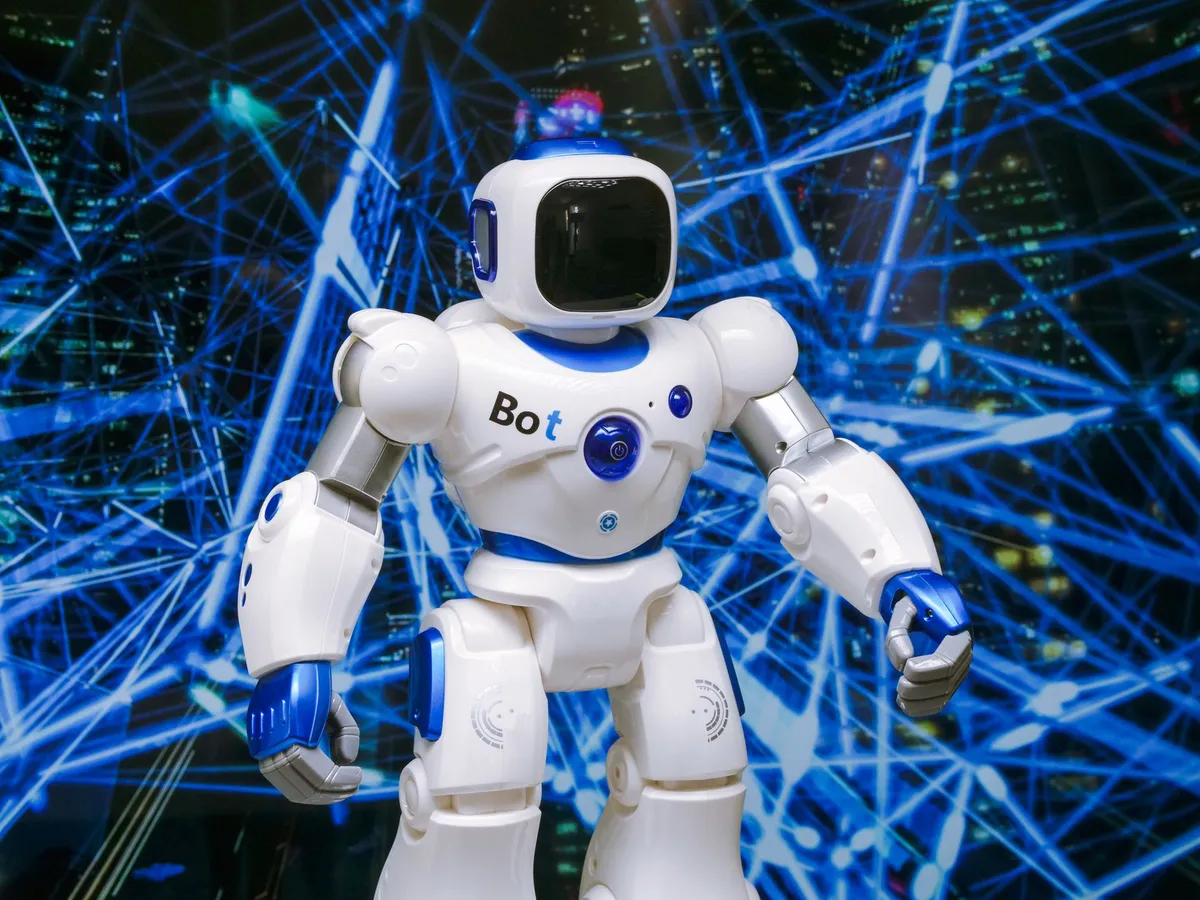
How Grok Bot Works
Grok Bot operates on a unique architecture that allows it to work independently across applications that may not have been designed for AI automation. Each Bot is assigned its own computer environment and can run 24/7, providing an effective solution for businesses that rely on legacy systems or fragmented SaaS platforms. This capability means Grok Bot can interact with software interfaces just as a human would, offering immense flexibility for organizations facing integration challenges.
Key Features of Grok Bot
- Persistent Agents: Bots can continuously execute tasks without requiring constant human oversight.
- Workflow Learning: Users can demonstrate workflows, allowing Bots to learn and replicate processes autonomously.
- Delegation Capabilities: Bots can pass tasks among themselves, improving efficiency in multi-agent scenarios.
- Behavioral Memory: Grok Bot retains context and can recall past conversations and preferences, enhancing user interaction.
- Cross-Application Functionality: Operates without the need for specific APIs, making it suitable for diverse software environments.

Pricing and Accessibility
Grok Bot is available for both individuals and teams, with pricing structured to fit different needs. Individuals can subscribe for $200 per month, while organizations can access the service for $120 per seat per month. The product is currently in beta for subscribers of SuperGrok Heavy, Cursor Ultra, and Cursor Premium Teams, following SpaceX's acquisition of Cursor for $60 billion earlier this year.
The pricing structure presents a significant investment compared to traditional AI subscriptions, prompting businesses to evaluate the return on investment. The question for organizations will be whether Grok Bot can effectively replace manual labor or existing automation solutions to justify its cost, especially as continuous use could lead to higher expenses under certain circumstances.

Real-World Applications
Grok Bot is designed to address a range of business needs. From sales and marketing to operations and engineering, various applications are emerging as early adopters begin to implement these Bots into their workflows. For instance, a sales Bot can conduct account research, prepare outreach messages, and compile results for user approval, effectively acting as an extension of the sales team.
Internal demonstrations from SpaceXAI highlight the Bot’s ability to handle complex tasks. A single sales Bot might summarize call transcripts and draft follow-up emails, while an operations Bot could manage new hire onboarding and process invoices automatically. Engineering teams can utilize Bots to reproduce bugs, file tickets, and assign repairs to debugging Bots, streamlining the troubleshooting process.
Feedback from Early Users
Initial reactions to Grok Bot have been overwhelmingly positive. Influencers and thought leaders in the AI space, such as Lenny Rachitsky and Matt Shumer, have shared their enthusiastic experiences with the product. Rachitsky noted the ease and reliability of Grok Bot, suggesting it could represent a major advancement in AI applications. Shumer highlighted the orchestration of multiple Bots working together seamlessly, allowing for complex projects to be managed without significant user intervention.
However, some concerns remain, particularly regarding the underlying AI models used by Grok Bot. The current model routing is automatic and abstracted from users, which may limit the ability to customize Bots for specific tasks. Users are left questioning the effectiveness of the models that power their Bots, a crucial aspect as companies seek to optimize performance based on their unique requirements.
Key Takeaways
- Grok Bot offers persistent AI agents capable of executing tasks continuously across various platforms.
- Pricing starts at $120 per user per month, differing significantly from standard AI subscriptions.
- The Bot's ability to learn workflows and retain memory enhances its effectiveness over time.
- Initial user feedback indicates high satisfaction, but concerns remain about model selection transparency.
- Grok Bot is well-suited for businesses utilizing legacy systems or fragmented software environments.
Frequently Asked Questions
What types of tasks can Grok Bot handle?
Grok Bot is designed to automate a wide range of tasks, including sales outreach, marketing campaign management, customer support, bug reproduction, and more. Businesses can create specialized Bots for different functions, allowing them to handle tasks that would typically require human intervention, thereby improving efficiency and reducing workload.
How does Grok Bot learn user preferences?
The Bot incorporates a form of behavioral memory, allowing it to retain context from previous interactions and learn user preferences over time. This includes understanding the user’s writing style and identifying when to seek approval versus working independently. As it gathers more data, Grok Bot becomes more proactive, potentially identifying tasks before users explicitly request them.
Is Grok Bot suitable for small businesses?
While Grok Bot's pricing may be more suited for larger organizations, small businesses can still benefit from its capabilities. By automating routine tasks, Grok Bot can help small teams maximize their productivity and free up time for strategic initiatives. However, each business must evaluate whether the investment aligns with their specific operational needs.
What are the security implications of using Grok Bot?
As with any AI tool that interacts with sensitive data, security is a critical concern. Grok Bot is designed to operate within the same environments as human employees, which raises questions about data protection and compliance. Organizations must implement appropriate security measures, such as user permissions and monitoring, to ensure that Bots operate safely and efficiently without compromising sensitive information.
Comments
Rising Trust in AI Agent Evaluations Amid Persistent Reliability Issues
A recent study highlights a growing confidence in automated agent evaluations among enterprises, even as failures persist. Understanding this paradox is crucial for stakeholders in AI deployment.

Related articles

Popular in AI Tools
- OpenAI's GPT-Live: Transforming Voice Interaction with AI
- SpaceX's Grok 4.5: Disruption in AI Coding at Unmatched Prices
- Gaming Data: The Future of Training AI for General Intelligence
- OpenAI's GPT-5.6: A New Era for Microsoft Copilot and Beyond
- The AI Deployment Dilemma: Balancing Autonomy and Governance