Liquid AI's LFM2.5-2.6B: Pioneering Edge AI for Everyone
Liquid AI's new LFM2.5-2.6B model opens doors for local AI applications, enabling operation on devices as small as a Raspberry Pi, which is a game-changer for enterprises in regulated industries.

In a significant leap for edge computing and local AI applications, Liquid AI has unveiled its latest innovation, the LFM2.5-2.6B model. Designed by a team of former MIT computer scientists, this open-weight language model is a game-changer for businesses that need AI capabilities without the complexities and privacy concerns associated with cloud computing. With the ability to run on devices as compact as a Raspberry Pi, LFM2.5-2.6B caters to enterprises operating in regulated environments or those handling sensitive data where cloud reliance is a potential risk.
The model's architecture empowers it to execute a wide range of agentic tasks locally, such as document management, tool invocation, and workflow automation. As organizations increasingly seek to leverage AI for operational efficiency, the introduction of LFM2.5-2.6B could redefine how businesses deploy AI technologies, from small startups to large enterprises.
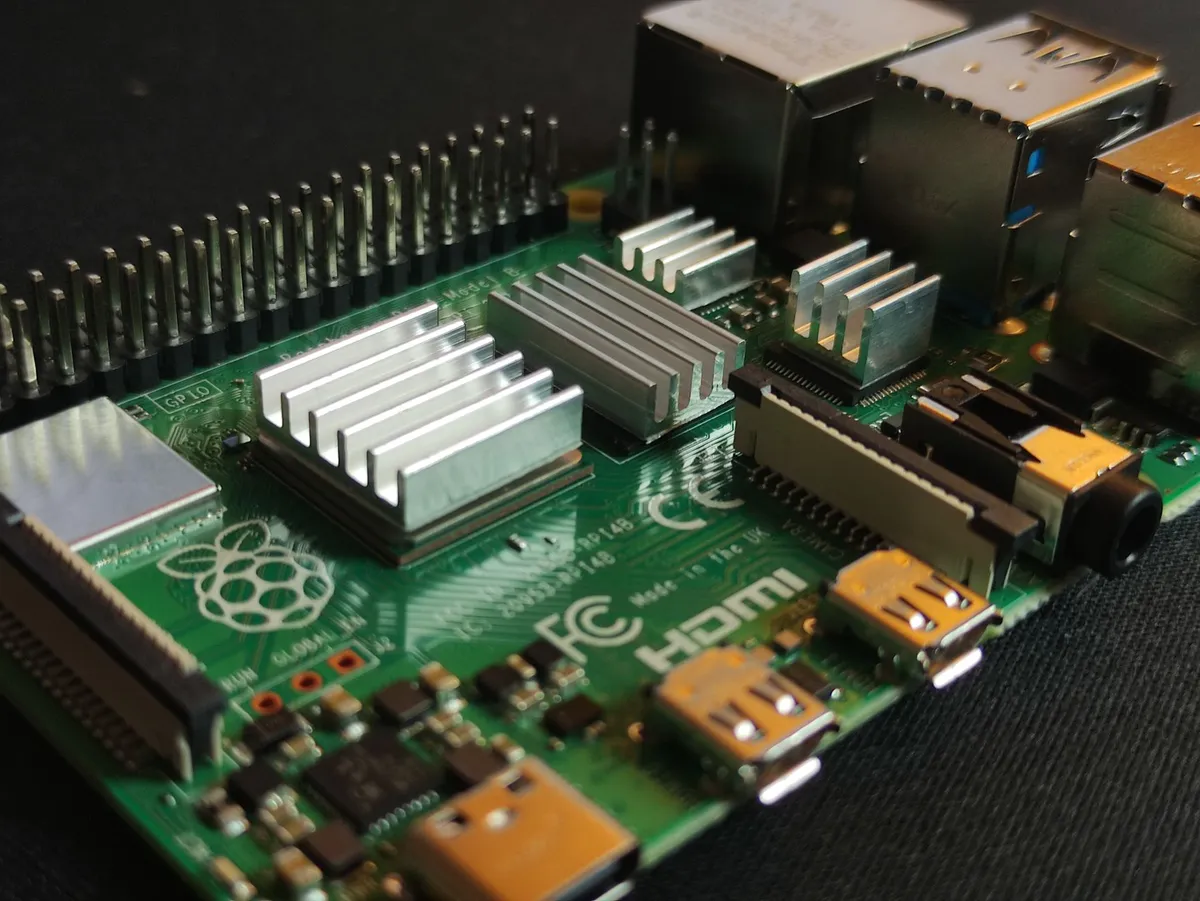
Understanding the Architecture of LFM2.5-2.6B
The LFM2.5-2.6B model is built on a robust framework, featuring 2.6 billion parameters and supporting a substantial 128,000-token context window. This architecture is designed with local hardware performance in mind, meaning it operates efficiently on CPUs rather than GPUs, which is a departure from most AI models that typically require high-end graphics processing units for optimal performance.
Performance Metrics and Use Cases
Liquid AI's performance claims for LFM2.5-2.6B are impressive. On an Apple M5 Max, the model achieves a decoding throughput of around 220 tokens per second, while the AMD Ryzen AI Max+ 395 reaches approximately 113 tokens per second. Even smartphones can leverage this technology, with performance metrics indicating around 30 tokens per second. These speeds make LFM2.5-2.6B suitable for applications in environments where connectivity is limited, such as in vehicles or robotics.
For enterprises, the practicality of deploying LFM2.5-2.6B on existing hardware could translate to substantial cost savings. Given that it operates on minimal memory—less than 2.5 GB—businesses can run advanced AI operations without the need for high-cost infrastructure, making it particularly appealing for startups and small to medium-sized enterprises.

The Shift to Agentic AI
One of the most fascinating aspects of the LFM2.5-2.6B model is its focus on agentic capabilities rather than traditional chatbot-style interactions. Liquid AI's approach reflects a growing trend in the AI industry, where models are increasingly designed to function as autonomous agents that can perform tasks on behalf of users. This shift is vital as it allows for more proactive AI systems that can streamline operations in real-time.
Training Techniques and Innovations
Liquid AI's training methodology for LFM2.5-2.6B is noteworthy. The model was pretrained on approximately 34 trillion tokens and underwent a specialized mid-training phase that extended its context window. The post-training process involved a unique four-stage pipeline, enabling the model to excel in various domains, from document management to coding tasks. This rigorous training process has equipped LFM2.5-2.6B to perform exceptionally well in agentic roles, improving its performance across the board.

Competitive Landscape and Market Implications
The introduction of LFM2.5-2.6B places Liquid AI in direct competition with established players in the AI model market, such as Google’s Gemma and Alibaba’s Qwen. While these larger models boast higher parameter counts, Liquid AI argues that LFM2.5-2.6B’s agentic functionality and efficiency in local deployments can provide more immediate value to enterprises.
For instance, in benchmark tests, LFM2.5-2.6B was reported to complete tasks significantly faster than its competitors, demonstrating its potential to serve as a reliable option for businesses looking to adopt AI technology without the burdens of cloud dependency.
Legal Considerations and Open Weights
One key aspect that enterprises must consider when evaluating LFM2.5-2.6B is the licensing model. Liquid AI offers a custom open weights license, which could have implications for compliance and legal considerations in enterprise settings. Legal teams will need to assess the terms of use, especially for organizations operating under strict regulatory frameworks.
Why Local Models Matter
As enterprises transition towards more localized AI solutions, the ability to deploy models like LFM2.5-2.6B could become a strategic advantage. With concerns over data privacy and compliance regulations intensifying, local models significantly reduce the risks associated with sending sensitive information over the cloud. Moreover, the flexibility to adapt the model for various applications without needing to modify the underlying architecture enhances its appeal.
Key Takeaways
- LFM2.5-2.6B is designed to run locally on devices as small as a Raspberry Pi.
- Agentic capabilities allow for proactive task execution, enhancing operational efficiency.
- Cost-effective deployment without reliance on cloud infrastructure makes it ideal for SMEs.
- Custom open weights license may require legal scrutiny for enterprise use.
- Performance metrics suggest significant speed advantages compared to larger models in specific tasks.
Frequently Asked Questions
What types of devices can run LFM2.5-2.6B?
The LFM2.5-2.6B model is versatile enough to run on various devices, from high-performance laptops and desktops to low-power devices such as a Raspberry Pi. This flexibility allows organizations to leverage existing hardware for AI applications without significant investments in new infrastructure.
How does LFM2.5-2.6B compare to larger models?
While larger models like Google’s Gemma and Alibaba’s Qwen have more parameters and capabilities, LFM2.5-2.6B is designed for efficiency and speed in localized deployments. It can perform many tasks faster than its larger counterparts, making it a viable option for businesses with specific operational needs.
What are the implications of the open weights license?
The custom open weights license for LFM2.5-2.6B allows organizations to utilize the model freely but requires careful legal review. Enterprises, especially those in regulated industries, will need to ensure compliance with their operational guidelines when implementing this model.
Can LFM2.5-2.6B be fine-tuned for specific applications?
Yes, LFM2.5-2.6B can be fine-tuned to enhance its performance for specific tasks. Liquid AI encourages enterprises to fine-tune the model for their unique workloads, which could yield performance comparable to larger models like GPT and Claude for specific applications.
Comments
ByteDance's Ambitious AI Model Aims to Rival Global Leaders
ByteDance is developing a groundbreaking AI model with 10 trillion parameters, positioning itself against industry giants like Anthropic. This initiative marks a significant step in the global AI race, showcasing China's growing capabilities.

Related articles

Popular in AI Tools
- OpenAI's GPT-Live: Transforming Voice Interaction with AI
- SpaceX's Grok 4.5: Disruption in AI Coding at Unmatched Prices
- Gaming Data: The Future of Training AI for General Intelligence
- OpenAI's GPT-5.6: A New Era for Microsoft Copilot and Beyond
- The AI Deployment Dilemma: Balancing Autonomy and Governance