OpenAI Unleashes New Voice Models for Seamless Conversations
OpenAI has announced the release of its new voice models, GPT-Live-1 and GPT-Live-1 mini, aimed at enhancing natural communication in live conversations. These models promise to revolutionize voice interaction by enabling full-duplex capabilities, setting the stage for the future of voice as a primary interface for computing.
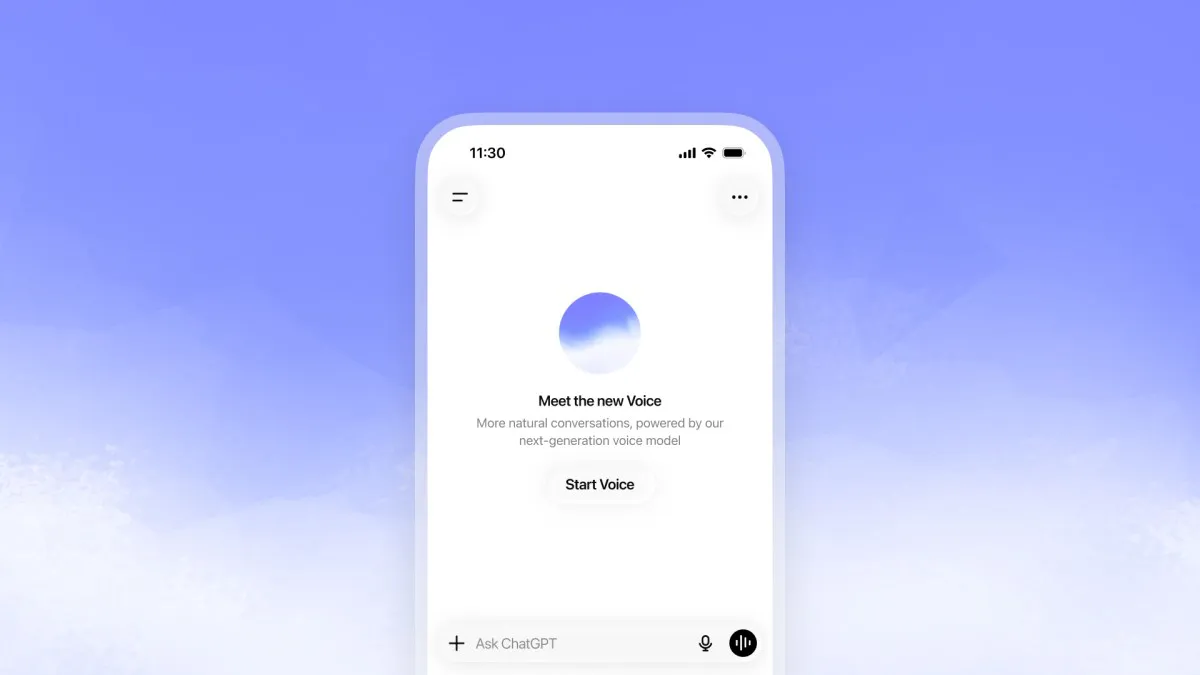
In an era where conversational AI continues to evolve, OpenAI has taken a significant leap forward by unveiling its latest voice models, GPT-Live-1 and GPT-Live-1 mini. These innovative models are designed to make voice interactions feel more natural and intuitive, allowing users to engage in seamless live conversations. With full-duplex capabilities, these models can listen and speak simultaneously, fundamentally changing the way we interact with technology.
The implications of this new technology stretch far beyond simple conversation. By integrating advanced features such as natural turn-taking and enhanced context retention, OpenAI aims to position voice as a central interface for complex work, thereby transforming the landscape of voice-assisted computing.
Understanding Full-Duplex Voice Models
Full-duplex communication refers to the ability of a system to transmit and receive information simultaneously. In the context of voice models, this means that users can interrupt and interject during conversations without breaking the flow of dialogue. OpenAI's new models excel in this area, addressing previous limitations that hampered fluid interactions.
Key Features of GPT-Live-1 and GPT-Live-1 Mini
- Full-Duplex Capability: Users can speak and listen at the same time, allowing for a more natural conversational rhythm.
- Contextual Awareness: The models can absorb and retain context over longer interactions, enhancing the relevance of responses.
- Live Translation: Real-time translation features enable cross-language conversations, broadening accessibility.
- Visual Information Presentation: The models can deliver information visually, enhancing user understanding.
These advancements mark a significant improvement over previous models, which relied on separate speech-to-text and text-to-speech systems. Instead, GPT-Live-1 integrates these functionalities into a cohesive experience, enhancing overall user satisfaction.

The Shift Towards Voice as a Primary Interface
OpenAI envisions a future where voice technology is not just an auxiliary feature but a primary interface for computing tasks. This shift is particularly relevant as remote work and digital engagement continue to rise. The convenience of voice interaction allows users to multitask effectively, making it an attractive option for professionals engaged in complex workflows.
Potential Use Cases
With the introduction of these new voice models, a variety of use cases emerge:
- Customer Support: Businesses can deploy voice assistants to handle customer queries more efficiently, providing a human-like interaction experience.
- Virtual Assistants: Individuals can use voice models for task management, scheduling, and reminders, streamlining daily activities.
- Language Learning: Live translation features can facilitate real-time conversations between learners and native speakers, enhancing language acquisition.
- Healthcare: Medical professionals can benefit from hands-free interaction with record-keeping systems, allowing them to focus on patient care.
The potential applications are vast, and OpenAI is positioning itself as a leader in this emerging sector of voice technology.
Addressing User Concerns and Safeguards
As with any emerging technology, the release of these voice models comes with responsibilities. OpenAI has emphasized that while they strive for natural interaction, they do not intend for these models to serve as AI companions. Instead, they focus on ensuring age-appropriate responses and providing resources for sensitive topics, such as mental health.
Challenges Ahead
Despite the excitement surrounding these advancements, challenges remain. During demonstrations, OpenAI acknowledged that the live translation feature still requires refinement. For instance, the model's Hindi accent was noted to sound Americanized, potentially detracting from the user experience. OpenAI aims to optimize the voice model for "most spoken languages," though specific details remain vague.
Competitive Landscape and Future Directions
OpenAI is not alone in its pursuit of conversational AI. Competitors like Apple and Amazon have enhanced their voice assistants to improve contextual understanding and conversational flow. Startups like Sesame, founded by Oculus co-founder Brendan Iribe, are also developing AI assistants that prioritize natural interaction.
As the market evolves, the competition will likely drive innovation and improvements across the board. OpenAI has hinted at plans to release hardware, such as AI-enabled earbuds, that could further integrate these voice capabilities into everyday life, although details remain under wraps.

Key Takeaways
- OpenAI's GPT-Live-1 models enhance conversational AI with full-duplex capabilities.
- Voice technology is poised to become a primary interface for complex tasks in the digital age.
- Safeguards are in place to ensure appropriate responses, particularly for sensitive topics.
- The competitive landscape includes major players and startups focused on improving voice interactions.
Frequently Asked Questions
What are the main advantages of the new GPT-Live-1 voice models?
The GPT-Live-1 voice models offer full-duplex communication, allowing users to both speak and listen simultaneously, creating a more natural conversational experience. They also possess advanced contextual awareness, enabling them to maintain relevant dialogue over extended interactions. Additionally, features like live translation and visual information presentation enhance usability across various applications.
How will these models change the way we interact with technology?
The introduction of these voice models is set to transform voice interaction from a secondary feature to the primary interface for many computing tasks. Users will be able to engage in complex workflows through simple voice commands, allowing for greater efficiency and multitasking capabilities. This transition could redefine how we interact with digital tools and services.
What measures has OpenAI taken to ensure user safety and appropriateness?
OpenAI has implemented safeguards within the models to ensure that responses are age-appropriate and relevant to sensitive topics. This proactive approach aims to prevent misuse and provide users with resources when discussing challenging subjects, thereby promoting a safe interaction environment.
What challenges do the new voice models face?
While the GPT-Live-1 models showcase significant advancements, challenges remain, particularly in the realm of live translation accuracy. Early demonstrations revealed that translations still require improvement to sound natural and contextually appropriate. OpenAI is committed to refining these features to enhance overall user experience.
Comments
Gaming Data: The Future of Training AI for General Intelligence
As the quest for artificial general intelligence (AGI) heats up, a startup believes gaming data may outperform traditional internet sources for training AI models. Discover the implications and potential of this innovative approach.

Related articles
Popular in AI Tools
- OpenAI's GPT-Live: Transforming Voice Interaction with AI
- SpaceX's Grok 4.5: Disruption in AI Coding at Unmatched Prices
- Gaming Data: The Future of Training AI for General Intelligence
- OpenAI's GPT-5.6: A New Era for Microsoft Copilot and Beyond
- The AI Deployment Dilemma: Balancing Autonomy and Governance